Below, you will find The Los Angeles Time‘s list of essential works of fiction and nonfiction published in the U.S. from 1996 to the present, culled from a survey of authors, editors, critics, scholars and other experts in the field.
Fiction
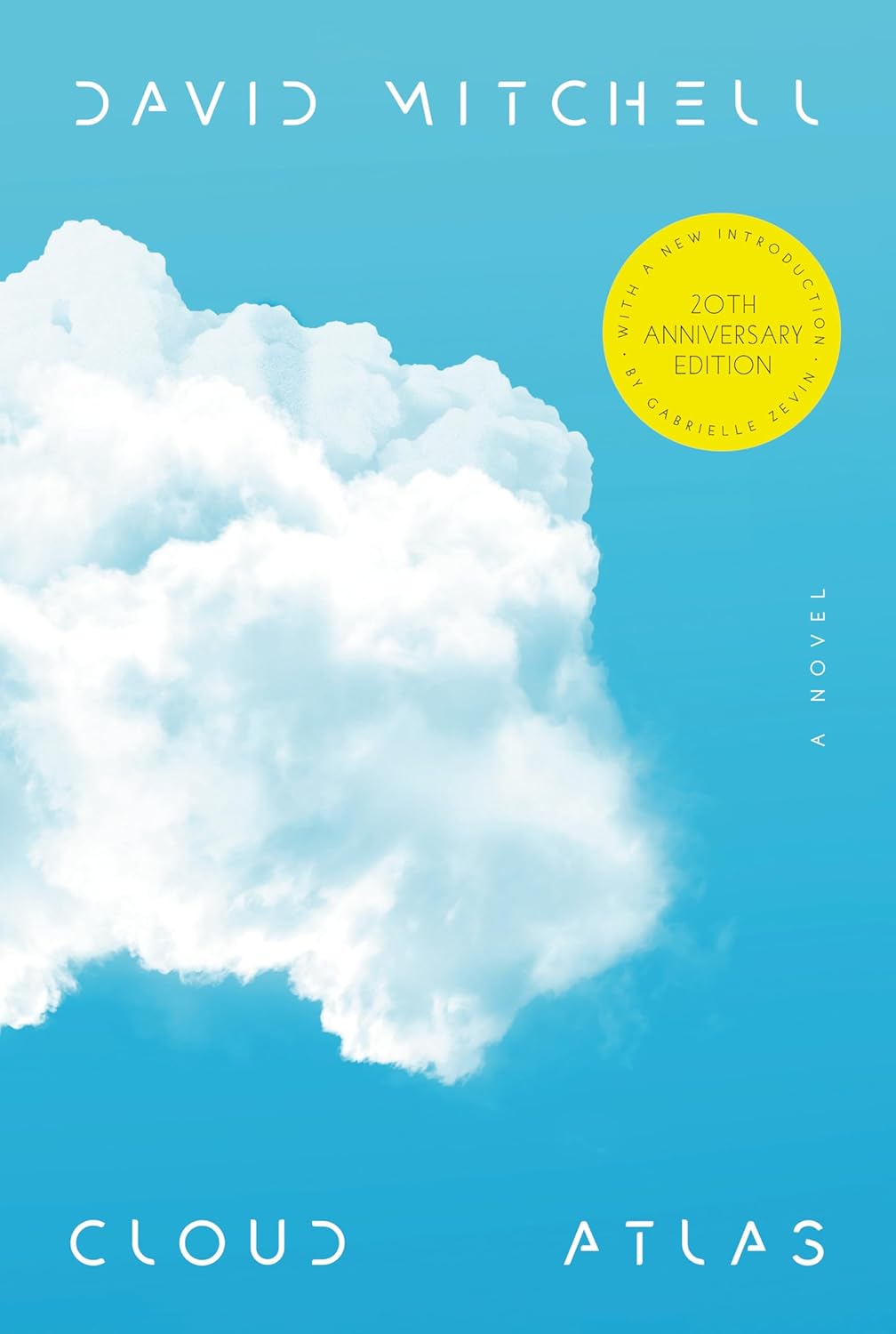
30. Cloud Atlas
David Mitchell
The timeless, structure-bending classic that explores how actions of individual lives impact the past, present and future—from a postmodern visionary and one of the leading voices in fiction. Cloud Atlas begins in 1850 with Adam Ewing, an American notary voyaging from the Chatham Isles to his home in California. Ewing is befriended by a physician, Dr. Goose, who begins to treat him for a rare species of brain parasite. The novel careens, with dazzling virtuosity, to Belgium in 1931, to the West Coast in the 1970s, to an inglorious present-day England, to a Korean superstate of the near future where neocapitalism has run amok, and, finally, to a postapocalyptic Iron Age Hawaii in the last days of history. But the story doesn’t end even there.


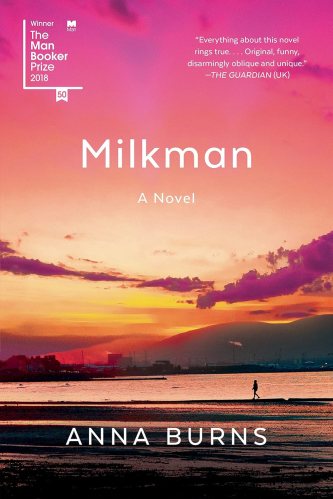
29. Milkman
Anna Burns
In an unnamed city, middle sister stands out for the wrong reasons. She reads while walking, for one. And she has been taking French night classes downtown. So when a local paramilitary known as the milkman begins pursuing her, she suddenly becomes “interesting,” the last thing she ever wanted to be. Despite middle sister’s attempts to avoid him―and to keep her mother from finding out about her maybe-boyfriend―rumors spread and the threat of violence lingers. Told with ferocious energy and sly, wicked humor, Milkman is a story of the way inaction can have enormous repercussions, in a time when the wrong flag, wrong religion, or even a sunset can be subversive.

28. Interpreter of Maladies: Stories
Jhumpa Lahiri
This stunning debut collection flawlessly charts the emotional journeys of characters seeking love beyond the barriers of nations and generations. With accomplished precision and gentle eloquence, Jhumpa Lahiri traces the crosscurrents set in motion when immigrants, expatriates, and their children arrive, quite literally, at a cultural divide. Imbued with the sensual details of Indian culture, these stories speak with passion and wisdom to everyone who has ever felt like a foreigner. Like the interpreter of the title story, Lahiri translates between the strict traditions of her ancestors and a baffling new world.

27. Mason & Dixon
Thomas Pynchon
Charles Mason (1728–1786) and Jeremiah Dixon (1733–1779) were the British surveyors best remembered for running the boundary between Pennsylvania and Maryland that we know today as the Mason-Dixon Line. Here is their story as reimagined by Thomas Pynchon, featuring Native Americans and frontier folk, ripped bodices, naval warfare, conspiracies erotic and political, major caffeine abuse. Unreflectively entangled in crimes of demarcation, Mason & Dixon take us along on a grand tour of the Enlightenment’s dark hemisphere, from their first journey together to the Cape of Good Hope, to pre-Revolutionary America and back to England, into the shadowy yet redemptive turns of their later lives, through incongruities in conscience, parallaxes of personality, tales of questionable altitude told and intimated by voices clamoring not to be lost.

26. Underworld
Don DeLillo
Don DeLillo’s mesmerizing novel was a major bestseller when it was published in 1997 and was the most widely reviewed novel of the year. It opens with a legendary baseball game played between the Brooklyn Dodgers and the New York Giants in 1951. The home run that won the game was called the Shot Heard Round the World, and was shadowed by the terrifying news that on the same day, Russia tested its first hydrogen bomb. Underworld then tells the story of Klara Sax and Nick Shay, and of a half century of American life during the Cold War and beyond.
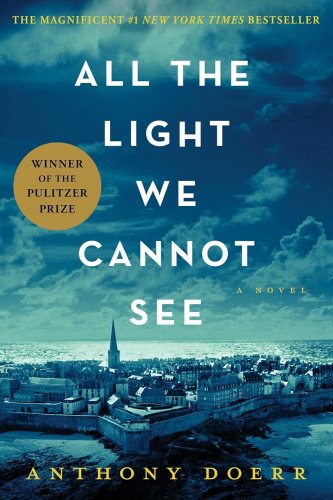
25. All the Light We Cannot See
Anthony Doerr
The beloved instant New York Times bestseller and New York Times Book Review Top 10 Book about a blind French girl, Marie-Laure, and a German boy, Werner, whose paths collide in occupied France as both try to survive the devastation of World War II. Doerr’s stunning sense of physical detail and gorgeous metaphors are dazzling. Deftly interweaving the lives of Marie-Laure and Werner, he illuminates the ways, against all odds, people try to be good to one another. Ten years in the writing, All the Light We Cannot See is a magnificent, deeply moving novel from a writer whose sentences never fail to thrill.

24. The Hunger Games
Suzanne Collins
In the ruins of a place once known as North America lies the nation of Panem, a shining Capitol surrounded by twelve outlying districts. Long ago the districts waged war on the Capitol and were defeated. As part of the surrender terms, each district agreed to send one boy and one girl to appear in an annual televised event called, “The Hunger Games,” a fight to the death on live TV. Sixteen-year-old Katniss Everdeen, who lives alone with her mother and younger sister, regards it as a death sentence when she is forced to represent her district in the Games. The terrain, rules, and level of audience participation may change but one thing is constant: kill or be killed.

23. Bel Canto
Ann Patchett
Ann Patchett’s award winning Bel Canto balances themes of love and crisis as disparate characters learn that music is their only common language. As in Patchett’s other novels, including Truth & Beauty and The Magician’s Assistant, the author’s lyrical prose and lucid imagination make Bel Canto a captivating story of strength and frailty, love and imprisonment, and an inspiring tale of transcendent romance.

22. Stories of Your Life and Others
Ted Chiang
From the author of Exhalation, an award-winning short story collection that delivers dual delights of the very, very strange and the heartbreakingly familiar, often presenting characters who must confront sudden change—the inevitable rise of automatons or the appearance of aliens—with some sense of normalcy. With sharp intelligence and humor, Chiang examines what it means to be alive in a world marked by uncertainty, but also by beauty and wonder. An award-winning collection from one of today’s most lauded writers, Stories of Your Life and Others is a contemporary classic.
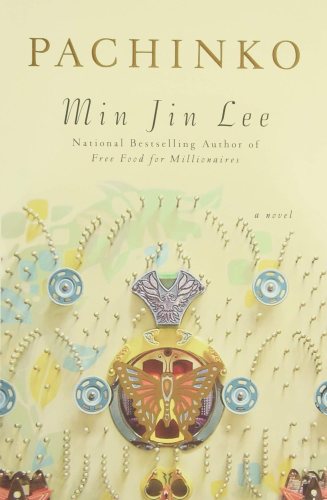
21. Pachinko
Min Jin Lee
In the early 1900s, teenaged Sunja, the adored daughter of a crippled fisherman, falls for a wealthy stranger. When she discovers she is pregnant–and that her lover is married–she accepts an offer of marriage from a gentle, sickly minister passing through on his way to Japan. But her decision to abandon her home, and to reject her son’s powerful father, sets off a dramatic saga that will echo down through the generations. Profoundly moving, Pachinko is a story of love, sacrifice, ambition, and loyalty.
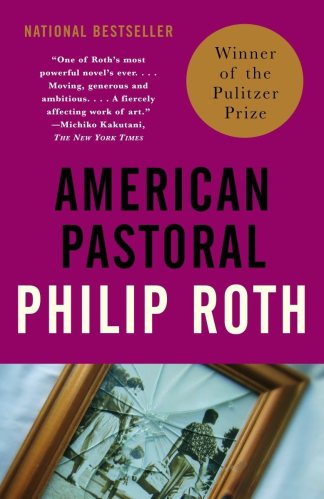
20. American Pastoral
Philip Roth
Philip Roth’s masterpiece, Nathan Zuckerman and the story of Swede Levov, a legendary athlete at his Newark high school, who grows up in the booming postwar years to marry a former Miss New Jersey, inherit his father’s glove factory, and move into a stone house in the idyllic hamlet of Old Rimrock. And then one day in 1968, Swede’s beautiful American luck deserts him. Compulsively readable, propelled by sorrow, rage, and a deep compassion for its characters, American Pastoral gives us Philip Roth at the height of his powers.

19. The Corrections
Jonathan Franzen
A spellbinding novel from the New York Times bestselling author Jonathan Franzen, The Corrections is a comic, tragic epic of worlds colliding: an old-fashioned world of civic virtue and sexual inhibitions, a new world of home surveillance, hands-off parenting, do-it-yourself mental health care, and globalized greed.

18. Salvage the Bones
Jesmyn Ward
The National Book Award-winning novel from the author of Let Us Descend and Men We Reaped-a gritty but tender story of family and poverty in the days leading up to Hurricane Katrina. A big-hearted novel about familial love and community against all odds, and a wrenching look at the lonesome, brutal, and restrictive realities of rural poverty, Salvage the Bones is muscled with poetry, revelatory, and real.

17. A Visit from the Goon Squad
Jennifer Egan
With music pulsing on every page, this startling, exhilarating novel of self-destruction and redemption “features characters about whom you come to care deeply as you watch them doing things they shouldn’t, acting gloriously, infuriatingly human” (The Chicago Tribune).

16. Wolf Hall
Hilary Mantel
England in the 1520s is a heartbeat from disaster. If the king dies without a male heir, the country could be destroyed by civil war. Henry VIII wants to annul his marriage of twenty years and marry Anne Boleyn. The pope and most of Europe opposes him. Into this impasse steps Thomas Cromwell: a wholly original man, a charmer and a bully, both idealist and opportunist, astute in reading people, and implacable in his ambition. But Henry is volatile: one day tender, one day murderous. Cromwell helps him break the opposition, but what will be the price of his triumph?

15. Tomorrow, and Tomorrow, and Tomorrow
Gabrielle Zevin
Sam and Sadie—two college friends, often in love, but never lovers—become creative partners in a dazzling and intricately imagined world of video game design, where success brings them fame, joy, tragedy, duplicity, and, ultimately, a kind of immortality. Spanning thirty years, from Cambridge, Massachusetts, to Venice Beach, California, and lands in between and far beyond, Gabrielle Zevin’s Tomorrow, and Tomorrow, and Tomorrow examines the multifarious nature of identity, disability, failure, the redemptive possibilities in play, and above all, our need to connect: to be loved and to love.
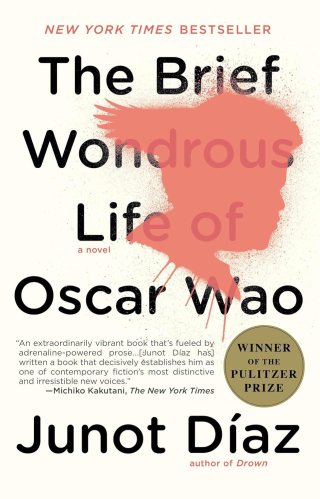
14. The Brief Wondrous Life of Oscar Wao
Junot Diaz
shares with his old world mother and rebellious sister—dreams of becoming the Dominican J.R.R. Tolkien and, most of all, finding love. But Oscar may never get what he wants. Blame the fukú—a curse that has haunted Oscar’s family for generations, following them on their epic journey from Santo Domingo to the USA. Encapsulating Dominican-American history, The Brief Wondrous Life of Oscar Wao opens our eyes to an astonishing vision of the contemporary American experience and explores the endless human capacity to persevere—and risk it all—in the name of love.
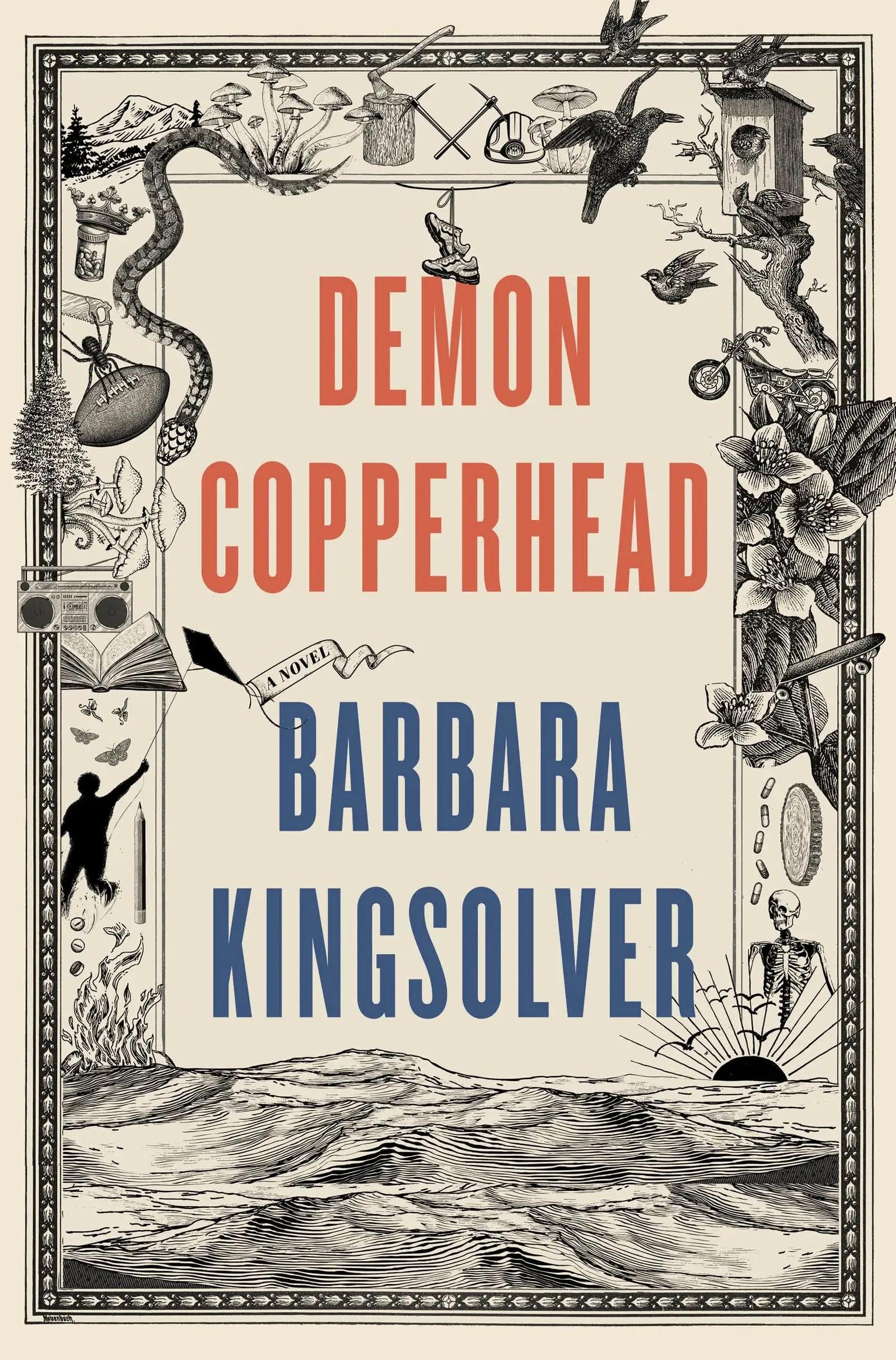
13. Demon Copperhead
Barbara Kingsolver
Set in the mountains of southern Appalachia, Demon Copperhead is the story of a boy born to a teenaged single mother in a single-wide trailer, with no assets beyond his dead father’s good looks and copper-colored hair, a caustic wit, and a fierce talent for survival. Relayed in his own unsparing voice, Demon braves the modern perils of foster care, child labor, derelict schools, athletic success, addiction, disastrous loves, and crushing losses. Through all of it, he reckons with his own invisibility in a popular culture where even the superheroes have abandoned rural people in favor of cities. Demon Copperhead speaks for a new generation of lost boys, and all those born into beautiful, cursed places they can’t imagine leaving behind.

12. Never Let Me Go
Kazuo Ishiguro
From the acclaimed, bestselling author of The Remains of the Daycomes “a Gothic tour de force” (The New York Times) with an extraordinary twist—a moving, suspenseful, beautifully atmospheric modern classic.
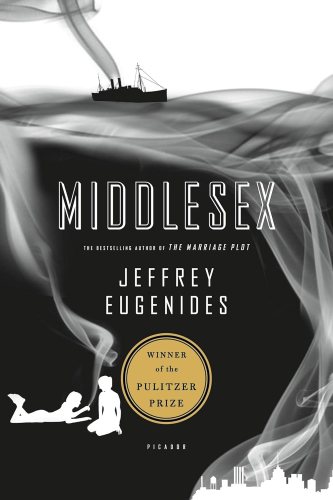
11. Middlesex
Jeffrey Eugenides
So begins the breathtaking story of Calliope Stephanides and three generations of the Greek-American Stephanides family who travel from a tiny village overlooking Mount Olympus in Asia Minor to Prohibition-era Detroit, witnessing its glory days as the Motor City, and the race riots of l967, before they move out to the tree-lined streets of suburban Grosse Pointe, Michigan. To understand why Calliope is not like other girls, she has to uncover a guilty family secret and the astonishing genetic history that turns Callie into Cal, one of the most audacious and wondrous narrators in contemporary fiction. Lyrical and thrilling, Jeffrey Eugenides’s Middlesex is an exhilarating reinvention of the American epic.
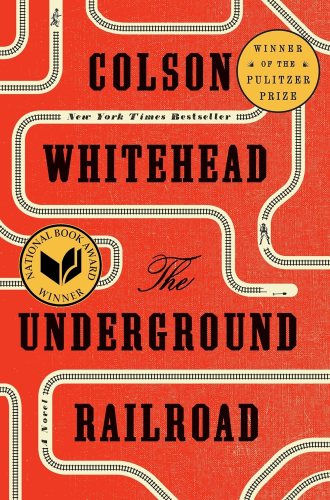
10. The Underground Railroad
Colson Whitehead
Cora is a slave on a cotton plantation in Georgia. An outcast even among her fellow Africans, she is on the cusp of womanhood—where greater pain awaits. And so when Caesar, a slave who has recently arrived from Virginia, urges her to join him on the Underground Railroad, she seizes the opportunity and escapes with him. As Whitehead brilliantly re-creates the terrors of the antebellum era, he weaves in the saga of our nation, from the brutal abduction of Africans to the unfulfilled promises of the present day. The Underground Railroad is both the gripping tale of one woman’s will to escape the horrors of bondage—and a powerful meditation on the history we all share.

9. The Sympathizer
Viet Thanh Nguyen
With the pace and suspense of a thriller and prose that has been compared to Graham Greene and Saul Bellow, The Sympathizer is a sweeping epic of love and betrayal. The narrator, a communist double agent, is a “man of two minds,” a half-French, half-Vietnamese army captain who arranges to come to America after the Fall of Saigon, and while building a new life with other Vietnamese refugees in Los Angeles is secretly reporting back to his communist superiors in Vietnam. The Sympathizer is a blistering exploration of identity and America, a gripping espionage novel, and a powerful story of love and friendship.
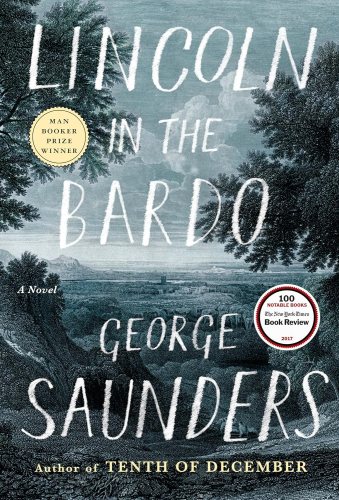
8. Lincoln in the Bardo
George Saunders
A moving and original father-son story featuring none other than Abraham Lincoln, as well as an unforgettable cast of supporting characters, living and dead, historical and invented. Lincoln in the Bardo is an astonishing feat of imagination and a bold step forward from one of the most important and influential writers of his generation. Formally daring, generous in spirit, deeply concerned with matters of the heart, it is a testament to fiction’s ability to speak honestly and powerfully to the things that really matter to us. Saunders has invented a thrilling new form that deploys a kaleidoscopic, theatrical panorama of voices to ask a timeless, profound question: How do we live and love when we know that everything we love must end?
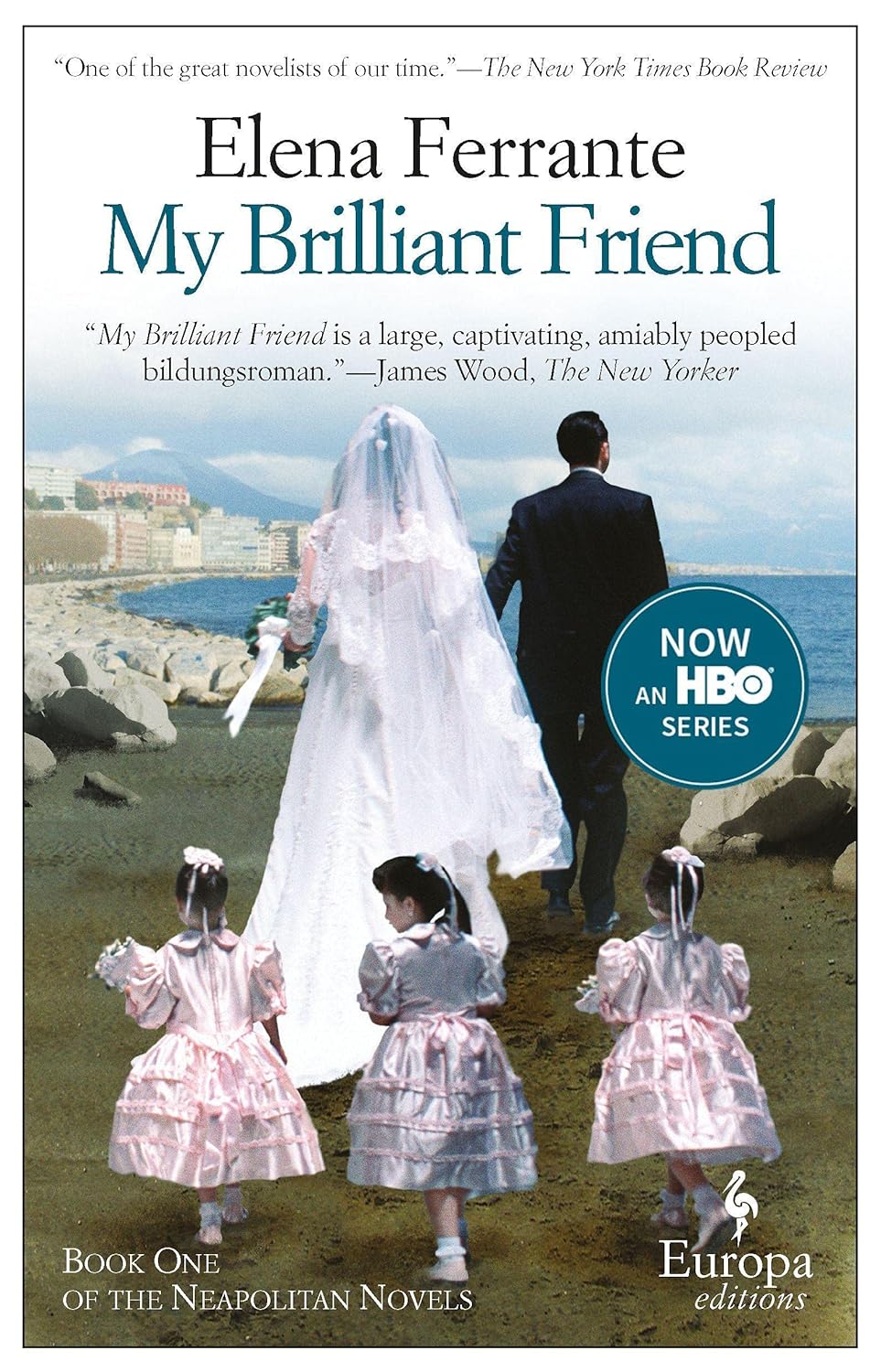
7. My Brilliant Friend
Elena Ferrante
Beginning in the 1950s in a poor but vibrant neighborhood on the outskirts of Naples, Elena Ferrante’s four-volume story spans almost sixty years, as its main characters, the fiery and unforgettable Lila and the bookish narrator, Elena, become women, wives, mothers, and leaders, all the while maintaining a complex and at times conflicted friendship. This first novel in the series follows Lila and Elena from their fateful meeting as ten-year-olds through their school years and adolescence. Through the lives of these two women, Ferrante tells the story of a neighborhood, a city, and a country as it is transformed in ways that, in turn, also transform the relationship between two women.

6. The Sellout
Paul Beatty
A biting satire about a young man’s isolated upbringing and the race trial that sends him to the Supreme Court, Paul Beatty’s The Sellout showcases a comic genius at the top of his game. It challenges the sacred tenets of the United States Constitution, urban life, the civil rights movement, the father-son relationship, and the holy grail of racial equality―the black Chinese restaurant.
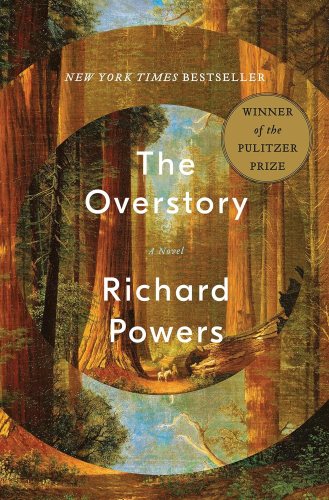
5. The Overstory
Richard Powers
The Overstory, winner of the 2019 Pulitzer Prize in Fiction, is a sweeping, impassioned work of activism and resistance that is also a stunning evocation of―and paean to―the natural world. From the roots to the crown and back to the seeds, Richard Powers’s twelfth novel unfolds in concentric rings of interlocking fables that range from antebellum New York to the late twentieth-century Timber Wars of the Pacific Northwest and beyond. There is a world alongside ours―vast, slow, interconnected, resourceful, magnificently inventive, and almost invisible to us. This is the story of a handful of people who learn how to see that world and who are drawn up into its unfolding catastrophe.

4. The Goldfinch
Donna Tartt
A young New Yorker grieving his mother’s death is pulled into a gritty underworld of art and wealth in this “extraordinary” and beloved Pulitzer Prize winner from the author of The Secret History that connects with the heart as well as the mind. The Goldfinch is a mesmerizing, stay-up-all-night and tell-all-your-friends triumph, an old-fashioned story of loss and obsession, survival and self-invention. From the streets of New York to the dark corners of the art underworld, this “soaring masterpiece” examines the devastating impact of grief and the ruthless machinations of fate
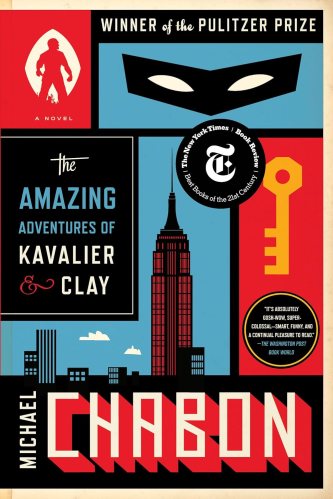
3. The Amazing Adventures of Kavalier and Clay
Michael Chabon
A towering, swash-buckling thrill of a book, The Amazing Adventures of Kavalier & Clay is a triumph of originality, imagination, and storytelling, an exuberant, irresistible novel that begins in New York City in 1939. A young escape artist and budding magician named Joe Kavalier arrives on the doorstep of his cousin, Sammy Clay. While the long shadow of Hitler falls across Europe, America is happily in thrall to the Golden Age of comic books, and in a distant corner of Brooklyn, Sammy is looking for a way to cash in on the craze. He finds the ideal partner in the aloof, artistically gifted Joe, and together they embark on an adventure that takes them deep into the heart of Manhattan, and the heart of old-fashioned American ambition. From the shared fears, dreams, and desires of two teenage boys, they spin comic book tales of the heroic, fascist-fighting Escapist and the beautiful, mysterious Luna Moth, otherworldly mistress of the night. Climbing from the streets of Brooklyn to the top of the Empire State Building, Joe and Sammy carve out lives, and careers, as vivid as cyan and magenta ink.
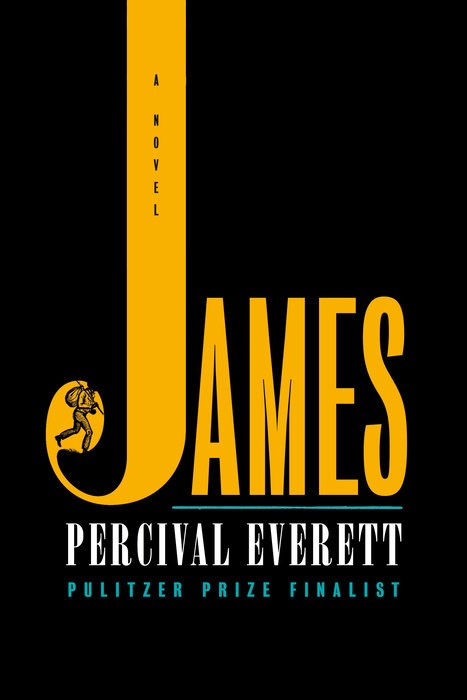
2. James
Percival Everett
A brilliant, action-packed reimagining of Adventures of Huckleberry Finn, both harrowing and darkly humorous, told from the enslaved Jim’s point of view. Brimming with the electrifying humor and lacerating observations that have made Everett a literary icon, this brilliant and tender novel radically illuminates Jim’s agency, intelligence, and compassion as never before. James is destined to be a major publishing event and a cornerstone of twenty-first century American literature.
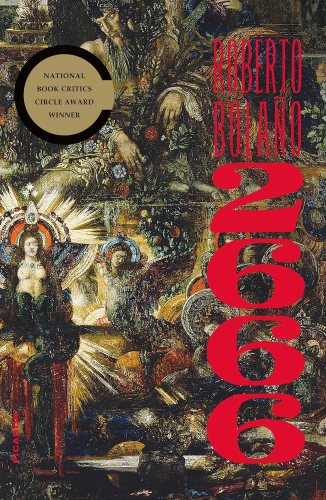
1. 2666
Roberto Bolaño
Composed in the last years of Roberto Bolaño’s life, 2666 was greeted across Europe and Latin America as his highest achievement, surpassing even his previous work in its strangeness, beauty, and scope. Its throng of unforgettable characters includes academics and convicts, an American sportswriter, an elusive German novelist, and a teenage student and her widowed, mentally unstable father. Their lives intersect in the urban sprawl of SantaTeresa―a fictional Juárez―on the U.S.-Mexico border, where hundreds of young factory workers, in the novel as in life, have disappeared.
Nonfiction
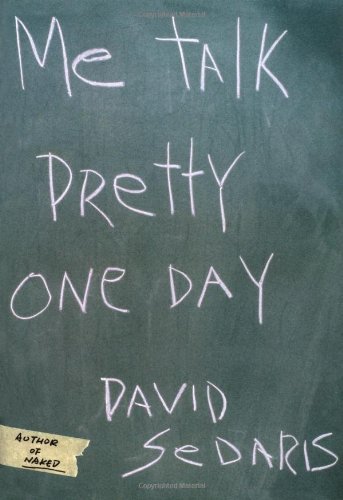
30. Me Talk Pretty One Day
David Sedaris
“Me Talk Pretty One Day” is a collection of essays about the everyday life of the author, David Sedaris. In it, he sheds light on the little details of everyday life, highlighting strange encounters he has had in a number of different contexts. Accordingly, there are too many small interactions laid out in the book to mention here. What’s important to grasp, though, is that Sedaris is interested in exposing not only the absurdities that people overlook in daily life, but also the humor that can be found in even the most mundane situations.

29. The Sixth Extinction: An Unnatural History
Elizabeth Kolbert
Over the last half a billion years, there have been five mass extinctions, when the diversity of life on earth suddenly and dramatically contracted. Scientists around the world are currently monitoring the Sixth Extinction, predicted to be the most devastating extinction event since the asteroid impact that wiped out the dinosaurs. This time around, the cataclysm is us. In The Sixth Extinction, two-time winner of the National Magazine Award and New Yorker writer Elizabeth Kolbert draws on the work of scores of researchers in half a dozen disciplines, accompanying many of them into the field. The Sixth Extinction is likely to be mankind’s most lasting legacy; as Kolbert observes, it compels us to rethink the fundamental question of what it means to be human.
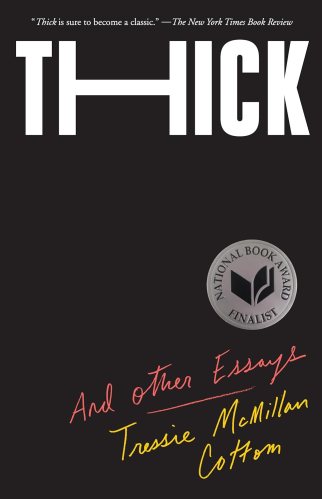
28. Thick: And Other Essays
Tressie McMillan Cottom
In eight highly praised treatises on beauty, media, money, and more, Tressie McMillan Cottom—award-winning professor and acclaimed author of Lower Ed—is unapologetically “thick”: deemed “thick where I should have been thin, more where I should have been less,” McMillan Cottom refuses to shy away from blending the personal with the political, from bringing her full self and voice to the fore of her analytical work. Thick transforms narrative moments into analyses of whiteness, black misogyny, and status-signaling as means of survival for black women with writing that is as deft as it is amusing.
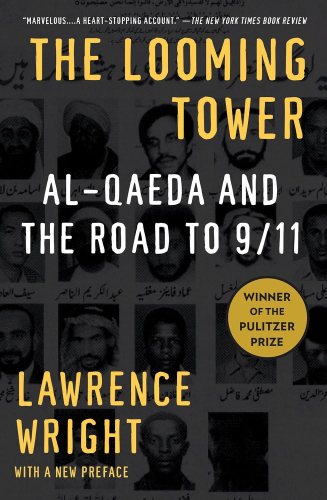
27. The Looming Tower: Al-Qaeda and the Road to 9/11
Lawrence Wright
A heart-stopping account of the events leading up to 9/11, this definitive history explains in gripping detail the growth of Islamic fundamentalism, the rise of al-Qaeda, and the intelligence failures that culminated in the attacks on the World Trade Center. In gripping narrative that spans five decades, Lawrence Wright re-creates firsthand the transformation of Osama bin Laden and Ayman al-Zawahiri from incompetent and idealistic soldiers in Afghanistan to leaders of the most successful terrorist group in history. He follows FBI counterterrorism chief John O’Neill as he uncovers the emerging danger from al-Qaeda in the 1990s and struggles to track this new threat. Packed with new information and a deep historical perspective, The Looming Tower is a sweeping, unprecedented history of the long road to September 11.

26. Barbarian Days: A Surfing Life
William Finnegan
Barbarian Days is William Finnegan’s memoir of an obsession, a complex enchantment. Surfing only looks like a sport. To initiates, it is something else: a beautiful addiction, a demanding course of study, a morally dangerous pastime, a way of life. Barbarian Days is an old-school adventure story, an intellectual autobiography, a social history, a literary road movie, and an extraordinary exploration of the gradual mastering of an exacting, little-understood art.
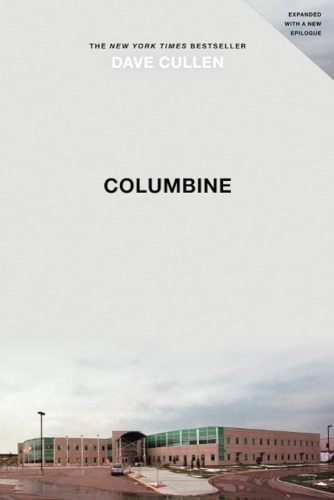
25. Columbine
Dave Cullen
What really happened April 20, 1999? The horror left an indelible stamp on the American psyche, but most of what we “know” is wrong. It wasn’t about jocks, Goths, or the Trench Coat Mafia. Dave Cullen was one of the first reporters on scene, and spent ten years on this book-widely recognized as the definitive account. With a keen investigative eye and psychological acumen, he draws on mountains of evidence, insight from the world’s leading forensic psychologists, and the killers’ own words and drawings-several reproduced in a new appendix. Cullen paints raw portraits of two polar opposite killers. They contrast starkly with the flashes of resilience and redemption among the survivors.

24. The Devil in the White City: Murder, Magic, & Madness at the Fair that Changed Amercia
Erik Larson
The true tale of the 1893 World’s Fair in Chicago and the cunning serial killer who used the magic and majesty of the fair to lure his victims to their death. The Devil in the White City draws the reader into a time of magic and majesty, made all the more appealing by a supporting cast of real-life characters, including Buffalo Bill, Theodore Dreiser, Susan B. Anthony, Thomas Edison, Archduke Francis Ferdinand, and others. Erik Larson’s gifts as a storyteller are magnificently displayed in this rich narrative of the master builder, the killer, and the great fair that obsessed them both.

23. The Argonauts: A Memoir
Maggie Nelson
Maggie Nelson’s The Argonauts is a genre-bending memoir, a work of “autotheory” offering fresh, fierce, and timely thinking about desire, identity, and the limitations and possibilities of love and language. It binds an account of Nelson’s relationship with her partner and a journey to and through a pregnancy to a rigorous exploration of sexuality, gender, and “family.” An insistence on radical individual freedom and the value of caretaking becomes the rallying cry for this thoughtful, unabashed, uncompromising book.
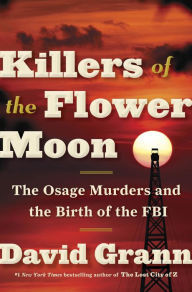
22. Killers of the Flower Moon: The Osage Murders and the Birth of the FBI
David Grann
A twisting, haunting true-life murder mystery about one of the most monstrous crimes in American history, from the author of The Lost City of Z, one of the preeminent adventure and true-crime writers working today. In the 1920s, the richest people per capita in the world were members of the Osage Nation in Oklahoma. After oil was discovered beneath their land, the Osage rode in chauffeured automobiles, built mansions, and sent their children to study in Europe. Then, one by one, the Osage began to be killed off. As the death toll rose, the newly created FBI took up the case, and the young director, J. Edgar Hoover, turned to a former Texas Ranger named Tom White to try to unravel the mystery. White put together an undercover team, including a Native American agent who infiltrated the region, and together with the Osage began to expose one of the most chilling conspiracies in American history.
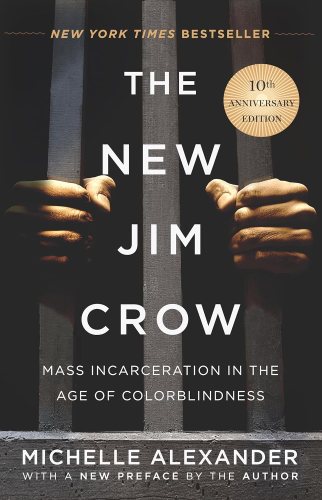
21. The New Jim Crow: Mass Incarceration in the Age of Colorblindness
Michelle Alexander
Seldom does a book have the impact of Michelle Alexander’s The New Jim Crow. Since it was first published in 2010, it has been cited in judicial decisions and has been adopted in campus-wide and community-wide reads; it helped inspire the creation of the Marshall Project and the Art for Justice Fund; it has been the winner of numerous prizes, including the prestigious NAACP Image Award; and it has spent nearly 250 weeks on the New York Times bestseller list. Most important of all, it has spawned a whole generation of criminal justice reform activists and organizations motivated by Michelle Alexander’s unforgettable argument that “we have not ended racial caste in America; we have merely redesigned it.” As the Birmingham News proclaimed, it is “undoubtedly the most important book published in this century about the U.S.”
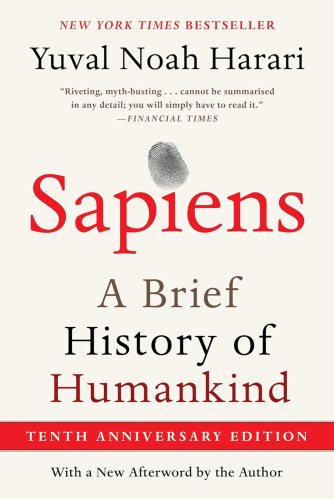
20. Sapiens: A Brief History of Humankind
Yuval Noah Harari
One hundred thousand years ago, at least six human species inhabited the earth. Today there is just one. Us. Homo sapiens. How did our species succeed in the battle for dominance? Why did our foraging ancestors come together to create cities and kingdoms? How did we come to believe in gods, nations, and human rights; to trust money, books, and laws; and to be enslaved by bureaucracy, timetables, and consumerism? And what will our world be like in the millennia to come? In Sapiens, Professor Yuval Noah Harari spans the whole of human history, from the very first humans to walk the earth to the radical—and sometimes devastating—breakthroughs of the Cognitive, Agricultural, and Scientific Revolutions. Drawing on insights from biology, anthropology, paleontology, and economics, he explores how the currents of history have shaped our human societies, the animals and plants around us, and even our personalities. Bold, wide-ranging, and provocative, Sapiens integrates history and science to challenge everything we thought we knew about being human: our thoughts, our actions, our heritage…and our future.
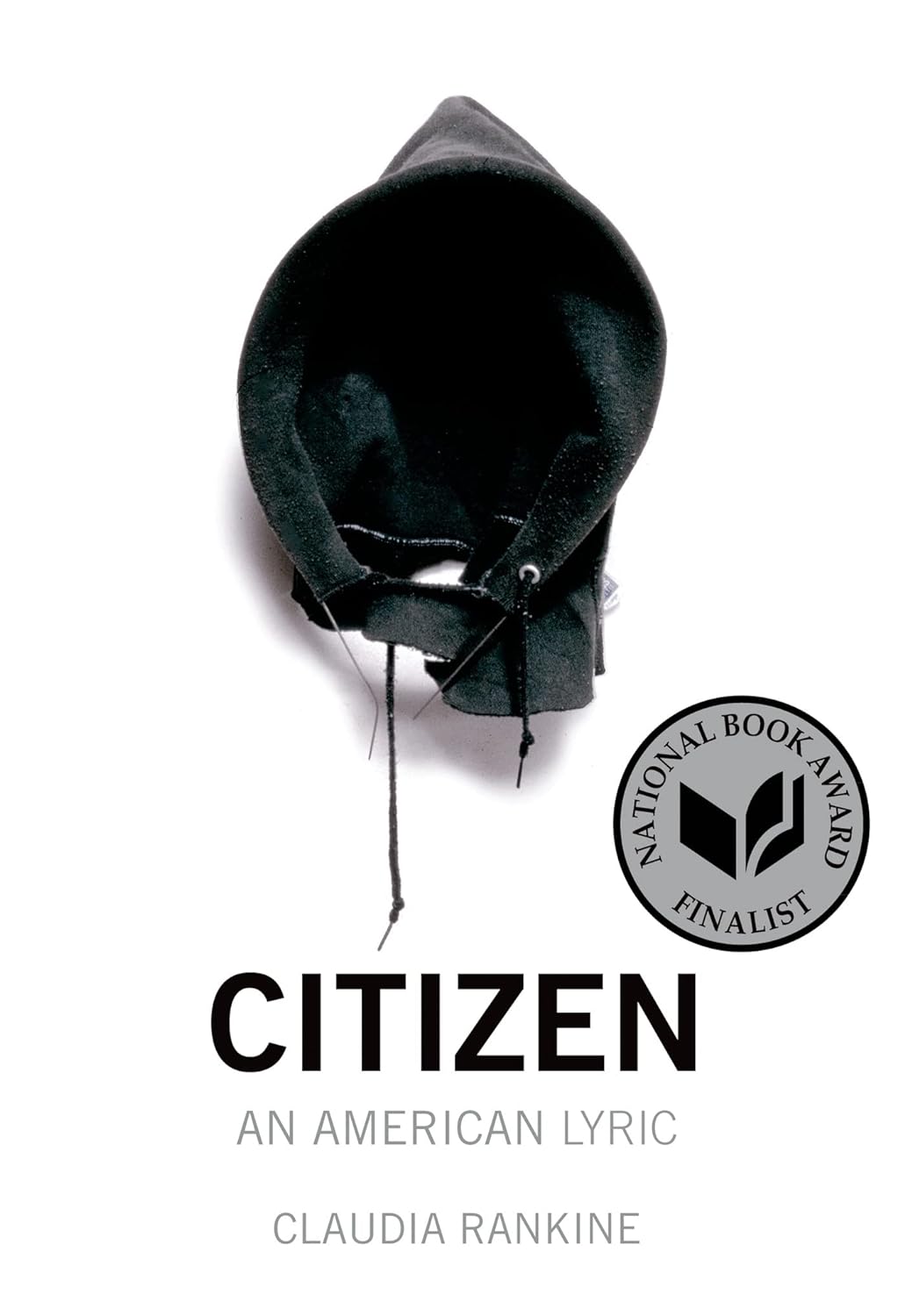
19. Citizen: An American Lyric
Claudia Rnakine
Claudia Rankine’s bold new book recounts mounting racial aggressions in ongoing encounters in twenty-first-century daily life and in the media. Some of these encounters are slights, seeming slips of the tongue, and some are intentional offensives in the classroom, at the supermarket, at home, on the tennis court with Serena Williams and the soccer field with Zinedine Zidane, online, on TV-everywhere, all the time. The accumulative stresses come to bear on a person’s ability to speak, perform, and stay alive. Our addressability is tied to the state of our belonging, Rankine argues, as are our assumptions and expectations of citizenship. In essay, image, and poetry, Citizen is a powerful testament to the individual and collective effects of racism in our contemporary, often named “post-race” society.
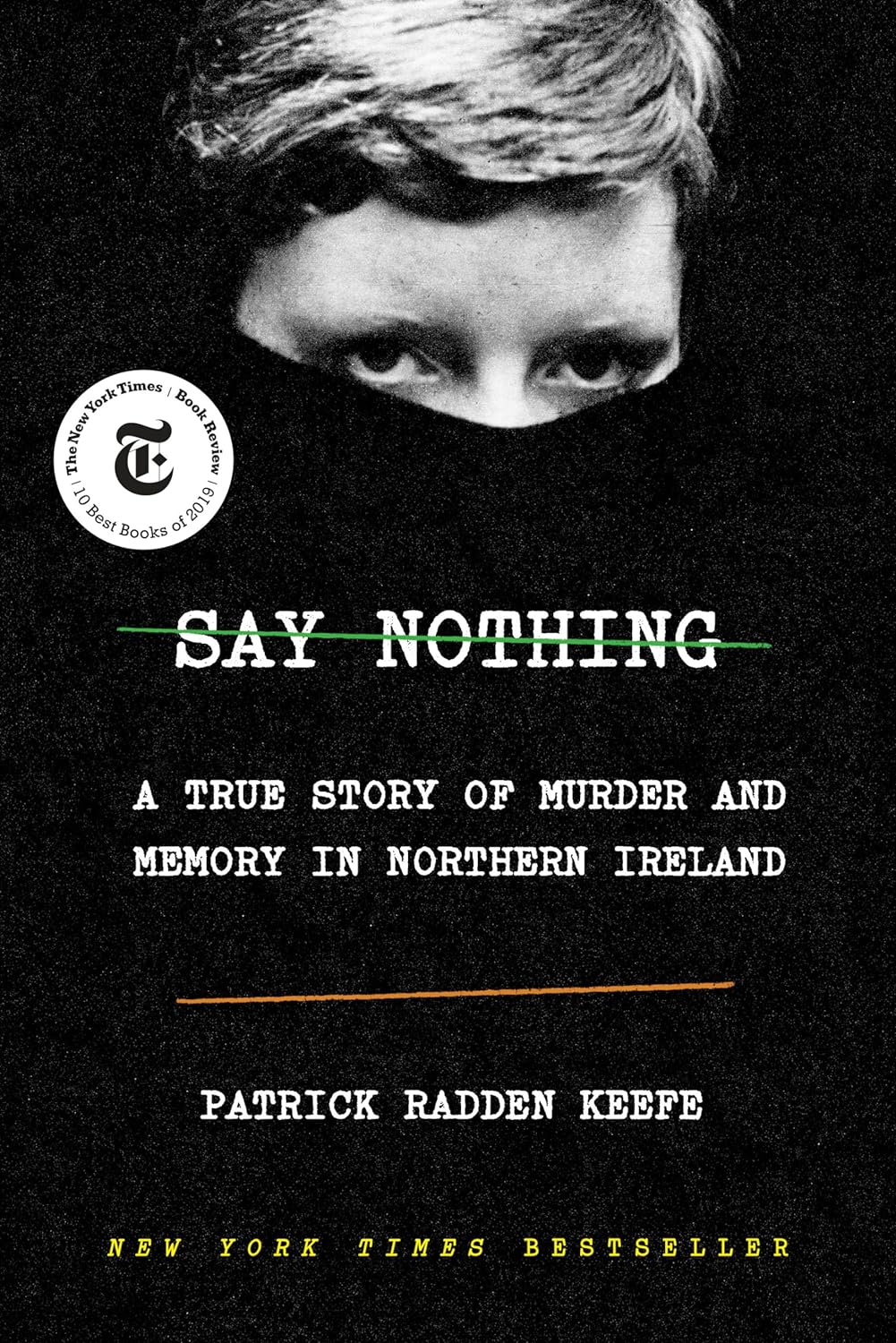
18. Say Nothing: A True Story of Murder and Memory in Northern Ireland
Patrick Radden Keefe
From award-winning New Yorker staff writer Patrick Radden Keefe, a stunning, intricate narrative about a notorious killing in Northern Ireland and its devastating repercussions. In December 1972, Jean McConville, a 38-old mother of ten, was dragged from her Belfast home by masked intruders, her children clinging to her legs. They never saw her again. Her abduction was one of the most notorious episodes of the vicious conflict known as The Troubles. Everyone in the neighborhood knew the I.R.A. was responsible. But in a climate of fear and paranoia, no one would speak of it. Patrick Radden Keefe’s mesmerizing book on the bitter conflict in Northern Ireland and its aftermath uses the McConville case as a starting point for the tale of a society wracked by a violent guerrilla war, a war whose consequences have never been reckoned with. From radical and impetuous I.R.A. terrorists such as Dolours Price, who, when she was barely out of her teens, was already planting bombs in London and targeting informers for execution, to the ferocious I.R.A. mastermind known as The Dark, to the spy games and dirty schemes of the British Army, to Gerry Adams, who negotiated the peace but betrayed his hardcore comrades by denying his I.R.A. past–Say Nothing conjures a world of passion, betrayal, vengeance, and anguish.
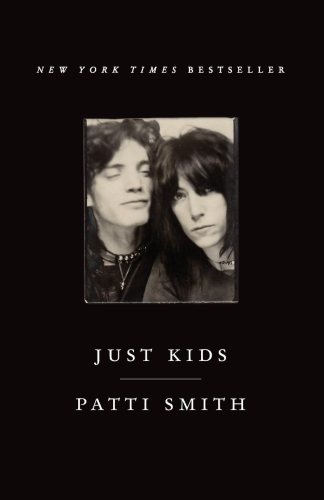
17. Just Kids
Patti Smith
It was the summer Coltrane died, the summer of love and riots, and the summer when a chance encounter in Brooklyn led two young people on a path of art, devotion, and initiation. Patti Smith would evolve as a poet and performer, and Robert Mapplethorpe would direct his highly provocative style toward photography. Bound in innocence and enthusiasm, they traversed the city from Coney Island to Forty-Second Street, and eventually to the celebrated round table of Max’s Kansas City, where the Andy Warhol contingent held court. In 1969, the pair set up camp at the Hotel Chelsea and soon entered a community of the famous and infamous, the influential artists of the day and the colorful fringe. Just Kids begins as a love story and ends as an elegy. It serves as a salute to New York City during the late sixties and seventies and to its rich and poor, its hustlers and hellions. A true fable, it is a portrait of two young artists’ ascent, a prelude to fame.

16. Master of the Senate
Robert Caro
Master of the Senate, Book Three of The Years of Lyndon Johnson, carries Johnson’s story through one of its most remarkable periods: his twelve years, from 1949 to 1960, in the United States Senate. At the heart of the book is its unprecedented revelation of how legislative power works in America, how the Senate works, and how Johnson, in his ascent to the presidency, mastered the Senate as no political leader before him had ever done. Master of the Senate, told with an abundance of rich detail that could only have come from Caro’s peerless research, is both a galvanizing portrait of the man himself—the titan of Capital Hill, volcanic, mesmerizing—and a definitive and revelatory study of the workings and personal and legislative power.
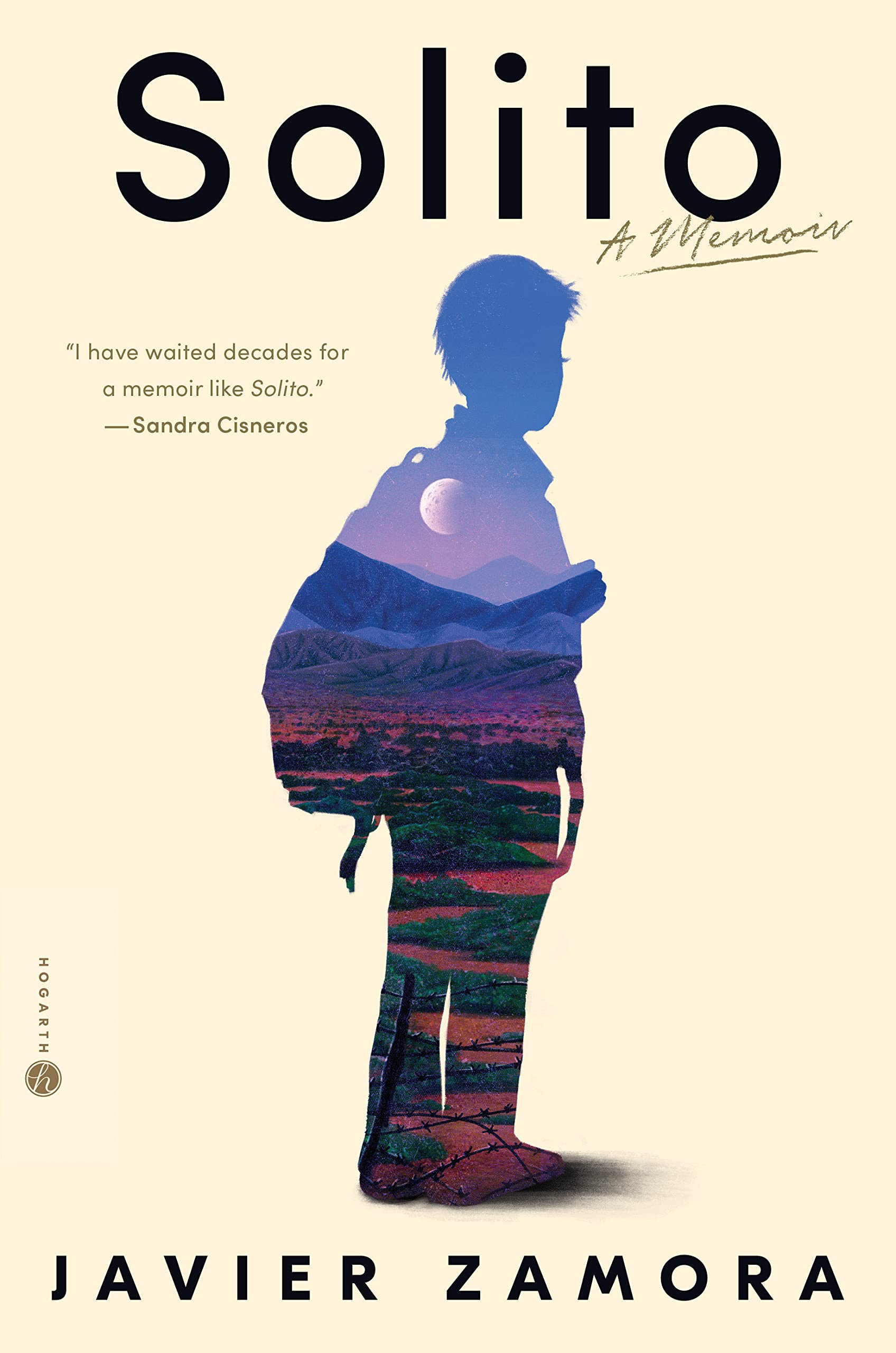
15. Solito: A Memoir
Javier Zamora
A young poet tells the inspiring story of his migration from El Salvador to the United States at the age of nine in this gripping memoir of bravery, hope, and finding family. At 9 years old, Javier Zamora’s adventure is a three-thousand-mile journey from his small town in El Salvador, through Guatemala and Mexico, and across the U.S. border. He will leave behind his beloved aunt and grandparents to reunite with a mother who left four years ago and a father he barely remembers. Traveling alone amid a group of strangers and a “coyote” hired to lead them to safety, Javier expects his trip to last two short weeks. A memoir as gripping as it is moving, Solito provides an immediate and intimate account not only of a treacherous and near-impossible journey, but also of the miraculous kindness and love delivered at the most unexpected moments. Solito is Javier Zamora’s story, but it’s also the story of millions of others who had no choice but to leave home.

14. On Writing: A Memoir of the Craft
Stephen King
“Long live the King” hailed Entertainment Weekly upon publication of Stephen King’s On Writing. Part memoir, part master class by one of the bestselling authors of all time, this superb volume is a revealing and practical view of the writer’s craft, comprising the basic tools of the trade every writer must have. King’s advice is grounded in his vivid memories from childhood through his emergence as a writer, from his struggling early career to his widely reported, near-fatal accident in 1999—and how the inextricable link between writing and living spurred his recovery. Brilliantly structured, friendly and inspiring, On Writing will empower and entertain everyone who reads it—fans, writers, and anyone who loves a great story well told.
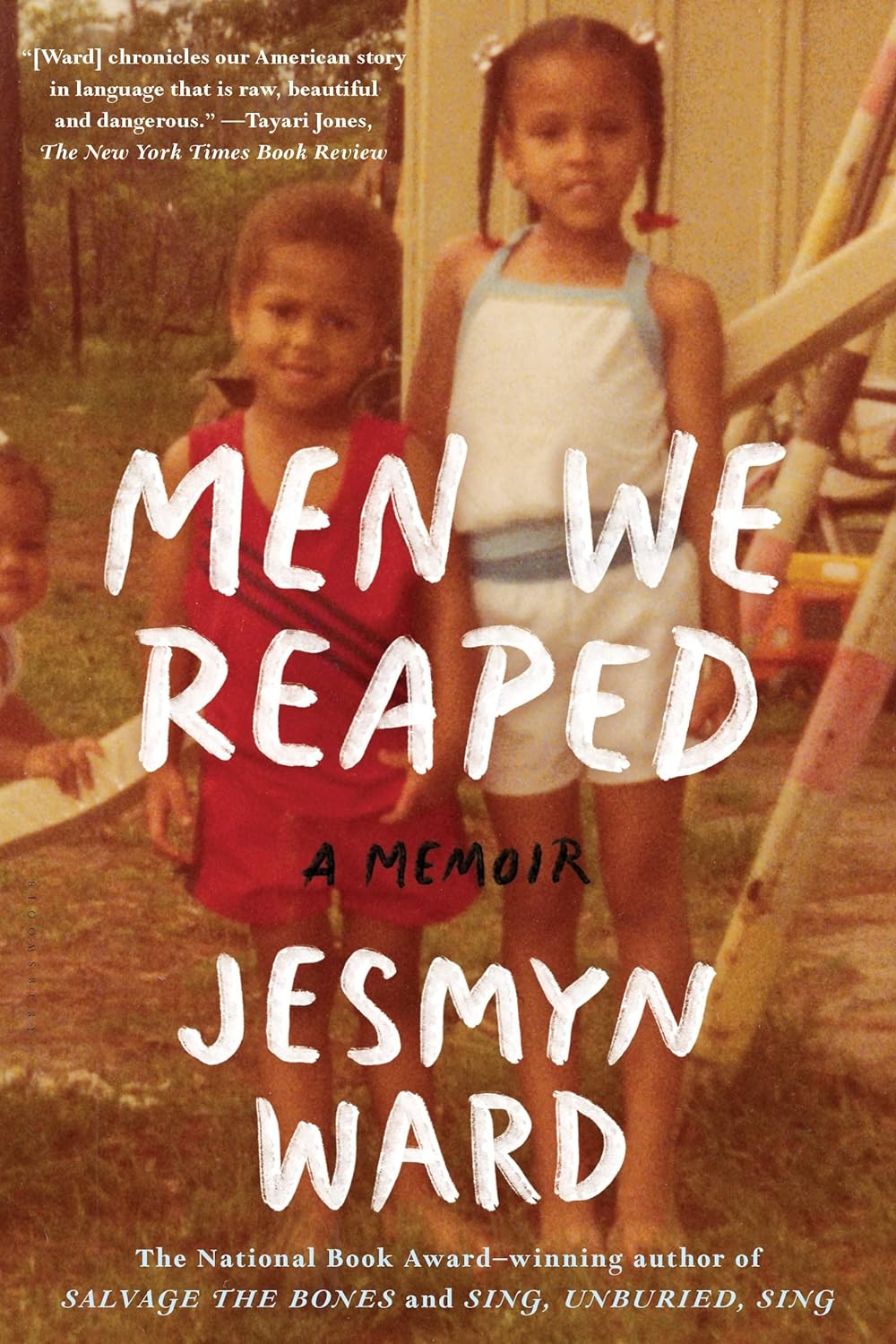
13. Men We Reaped: A Memoir
Jesmyn Ward
The two-time National Book Award winner and author of Salvage the Bones and Let Us Descend, contends with the deaths of five young men dear to her, and the risk of being a Black man in the rural South. In five years, Jesmyn Ward lost five young men in her life-to drugs, accidents, suicide, and the bad luck that can follow people who live in poverty, particularly black men. Dealing with these losses, one after another, made Jesmyn ask the question: Why? And as she began to write about the experience of living through all the dying, she realized the truth-and it took her breath away. Her brother and her friends all died because of who they were and where they were from, because they lived with a history of racism and economic struggle that fostered drug addiction and the dissolution of family and relationships. Jesmyn says the answer was so obvious she felt stupid for not seeing it. But it nagged at her until she knew she had to write about her community, to write their stories and her own.
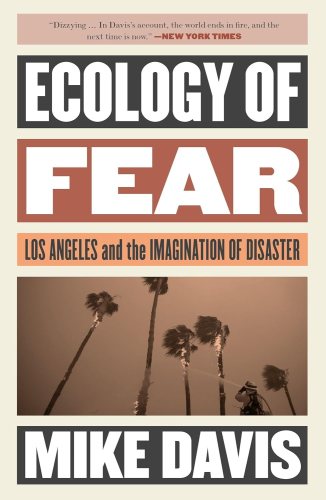
12. Ecology of Fear: Los Angeles and the Imagination of Disaster
Mike Davis
A witty and engrossing look at Los Angeles’ urban ecology and the city’s place in America’s cultural fantasies. Earthquakes. Wildfires. Floods. Drought. Tornadoes. Snakes in the sea, mountain lions, and a plague of bees. In this controversial tour de force of scholarship, unsparing vision, and inspired writing, Mike Davis, the author of City of Quartz, revisits Los Angeles as a Book of the Apocalypse theme park. By brilliantly juxtaposing L.A.’s fragile natural ecology with its disastrous environmental and social history, he compellingly shows a city deliberately put in harm’s way by land developers, builders, and politicians, even as the incalculable toll of inevitable future catastrophe continues to accumulate.

11. The Immortal Life of Henrietta Lacks
Rebecca Skloot
Her name was Henrietta Lacks, but scientists know her as HeLa. She was a poor Southern tobacco farmer who worked the same land as her slave ancestors, yet her cells—taken without her knowledge—became one of the most important tools in medicine: The first “immortal” human cells grown in culture, which are still alive today, though she has been dead for more than sixty years. Yet, Henrietta’s family did not learn of her “immortality” until more than twenty years after her death, when scientists investigating HeLa began using her husband and children in research without informed consent. And though the cells had launched a multimillion-dollar industry that sells human biological materials, her family never saw any of the profits. As Rebecca Skloot so brilliantly shows, the story of the Lacks family—past and present—is inextricably connected to the dark history of experimentation on African Americans, the birth of bioethics, and the legal battles over whether we control the stuff we are made of.
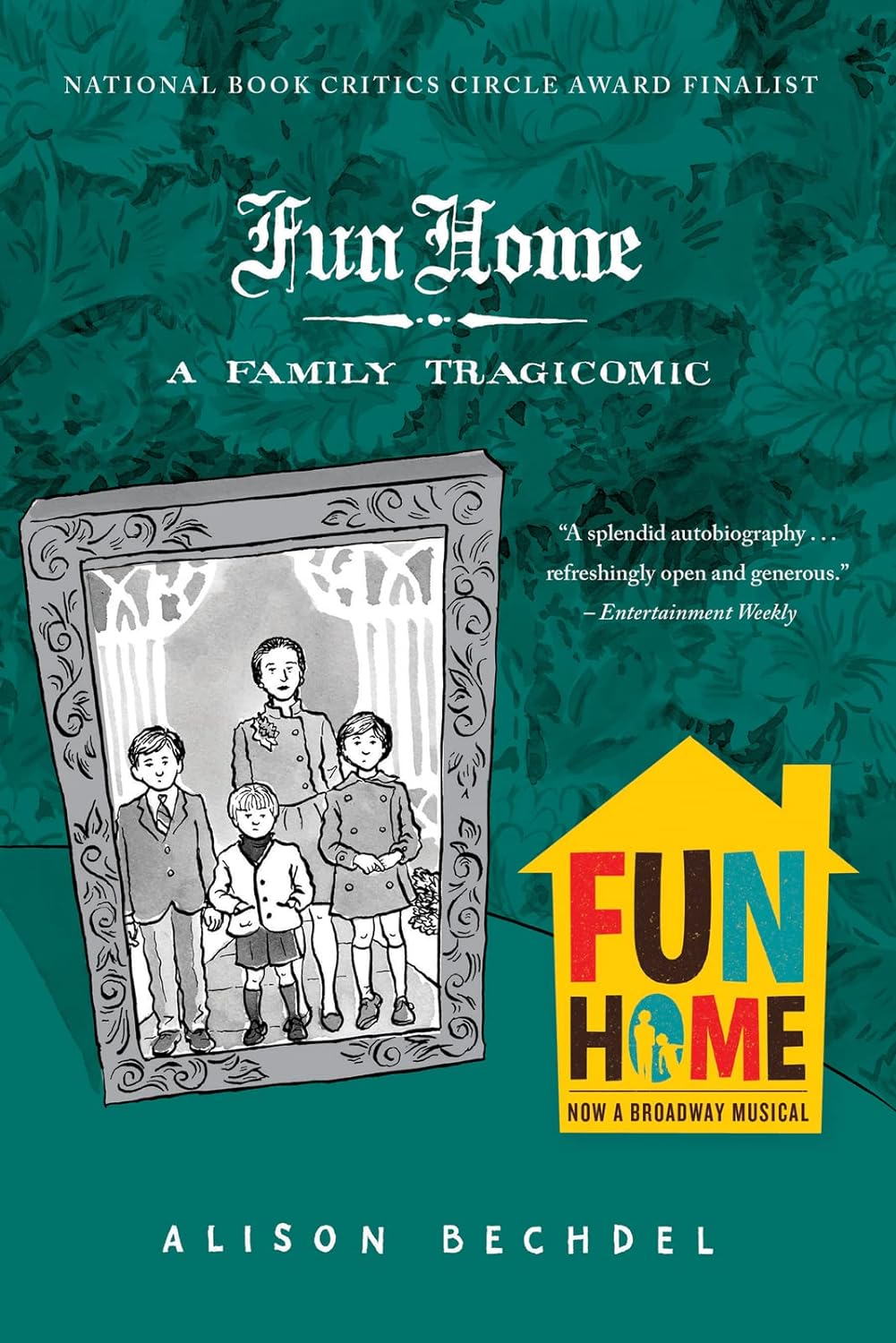
10. Fun Home: A Family Tragicomic
Alison Bechdel
Alison Bechdel’s groundbreaking, bestselling graphic memoir that charts her fraught relationship with her late father. Distant and exacting, Bruce Bechdel was an English teacher and director of the town funeral home, which Alison and her family referred to as the “Fun Home.” It was not until college that Alison, who had recently come out as a lesbian, discovered that her father was also gay. A few weeks after this revelation, he was dead, leaving a legacy of mystery for his daughter to resolve. In her hands, personal history becomes a work of amazing subtlety and power, written with controlled force and enlivened with humor, rich literary allusion, and heartbreaking detail.

9. Into Thin Air: A Personal Account of the Mt. Everest Disaster
Jon Krakauer
The epic account of the storm on the summit of Mt. Everest that claimed five lives and left countless more—including Krakauer’s—in guilt-ridden disarray. Into Thin Air is the definitive account of the deadliest season in the history of Everest by the acclaimed journalist and author of the bestseller Into the Wild. Krakauer examines what it is about Everest that has compelled so many people — including himself — to throw caution to the wind, ignore the concerns of loved ones, and willingly subject themselves to such risk, hardship, and expense. Written with emotional clarity and supported by his unimpeachable reporting, Krakauer’s eyewitness account of what happened on the roof of the world is a singular achievement.
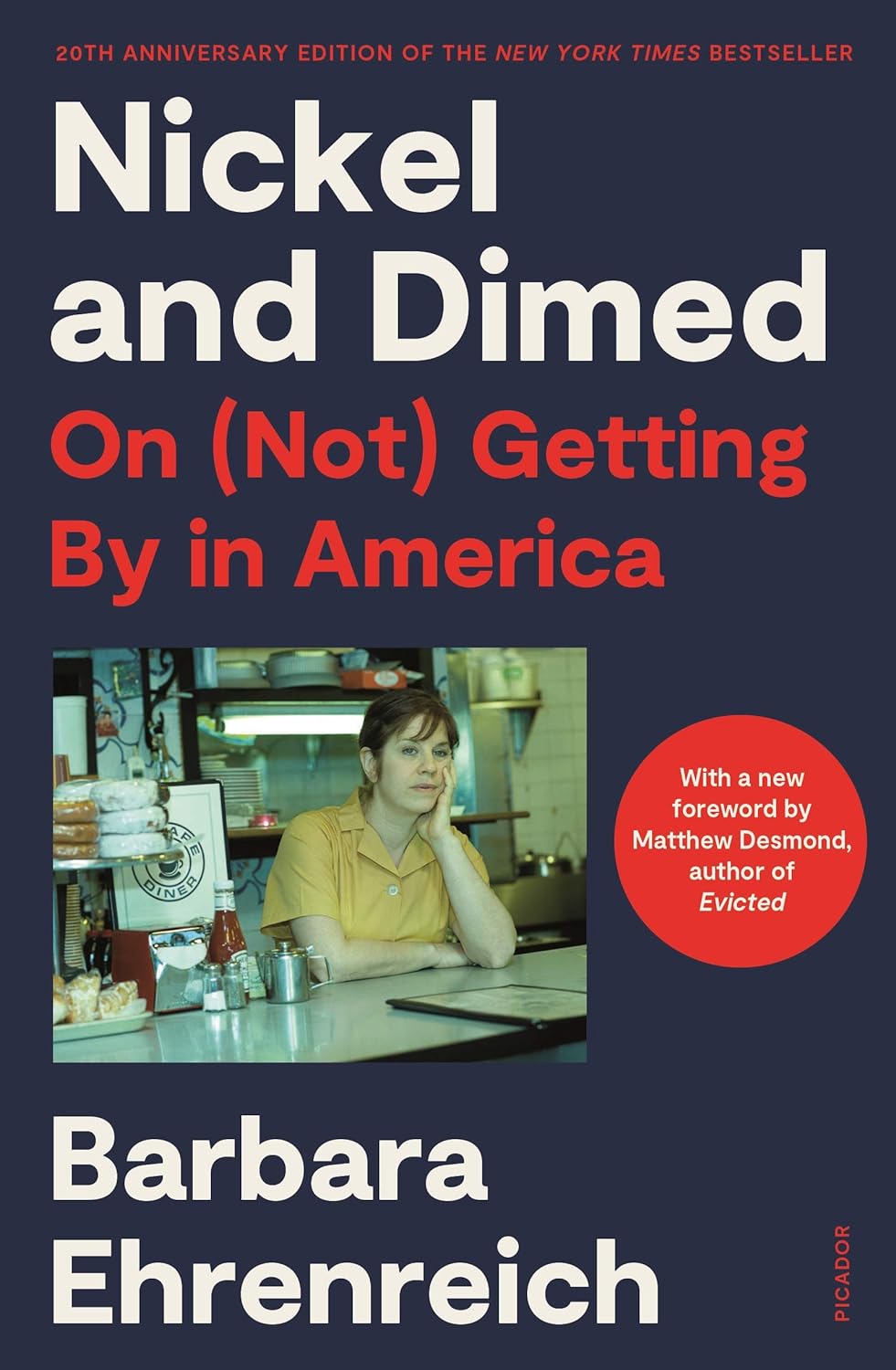
8. Nickel and Dimed: On (Not) Getting By in America
Barbara Ehrenreich
Our sharpest and most original social critic goes “undercover” as an unskilled worker to reveal the dark side of American prosperity. Millions of Americans work full time, year round, for poverty-level wages. In 1998, Barbara Ehrenreich decided to join them. She was inspired in part by the rhetoric surrounding welfare reform, which promised that a job — any job — can be the ticket to a better life. But how does anyone survive, let alone prosper, on $6 an hour? Nickel and Dimed reveals low-rent America in all its tenacity, anxiety, and surprising generosity — a land of Big Boxes, fast food, and a thousand desperate stratagems for survival. Read it for the smoldering clarity of Ehrenreich’s perspective and for a rare view of how “prosperity” looks from the bottom. You will never see anything — from a motel bathroom to a restaurant meal — in quite the same way again
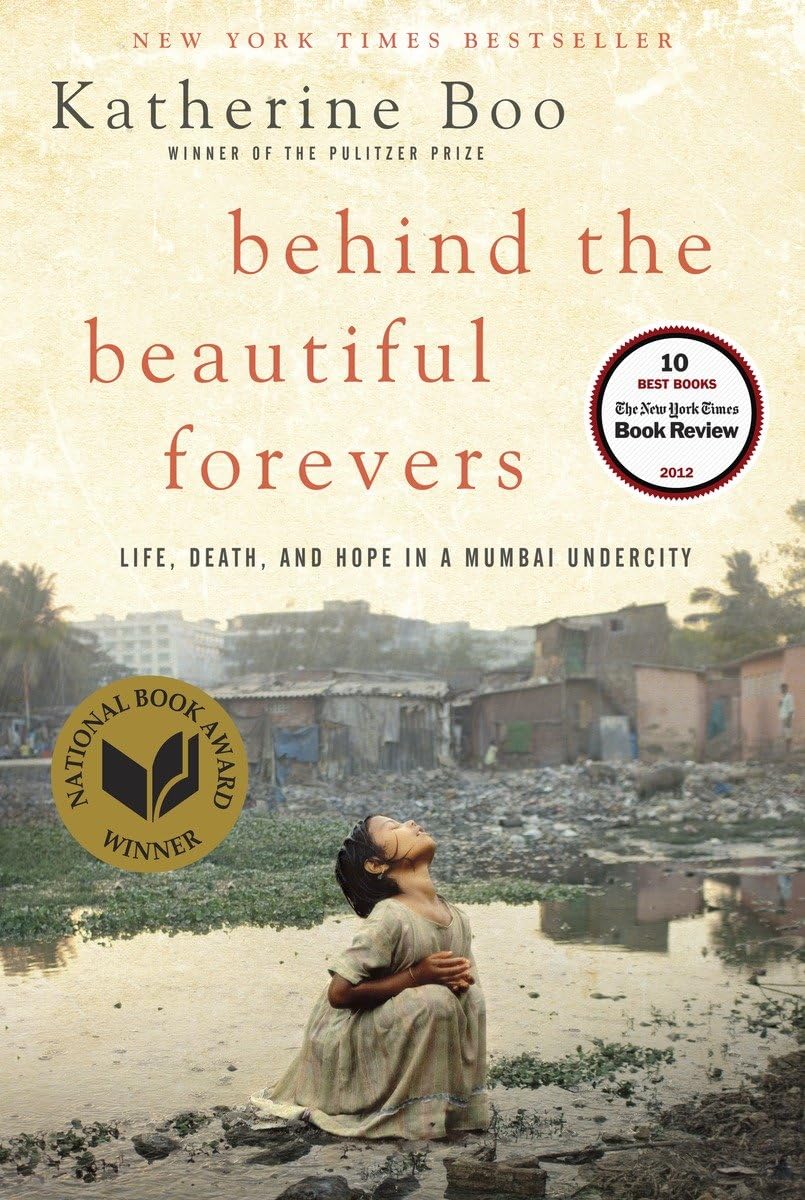
7. Behind the Beautiful Forevers: Life, Death and Hope in a Mumbai Undercity
Katherine Boo
In this breathtaking book by Pulitzer Prize winner Katherine Boo, a bewildering age of global change and inequality is made human through the dramatic story of families striving toward a better life in Annawadi, a makeshift settlement in the shadow of luxury hotels near the Mumbai airport. With intelligence, humor, and deep insight into what connects people to one another in an era of tumultuous change, Behind the Beautiful Forevers, based on years of uncompromising reporting, carries the reader headlong into one of the twenty-first century’s hidden worlds—and into the hearts of families impossible to forget.
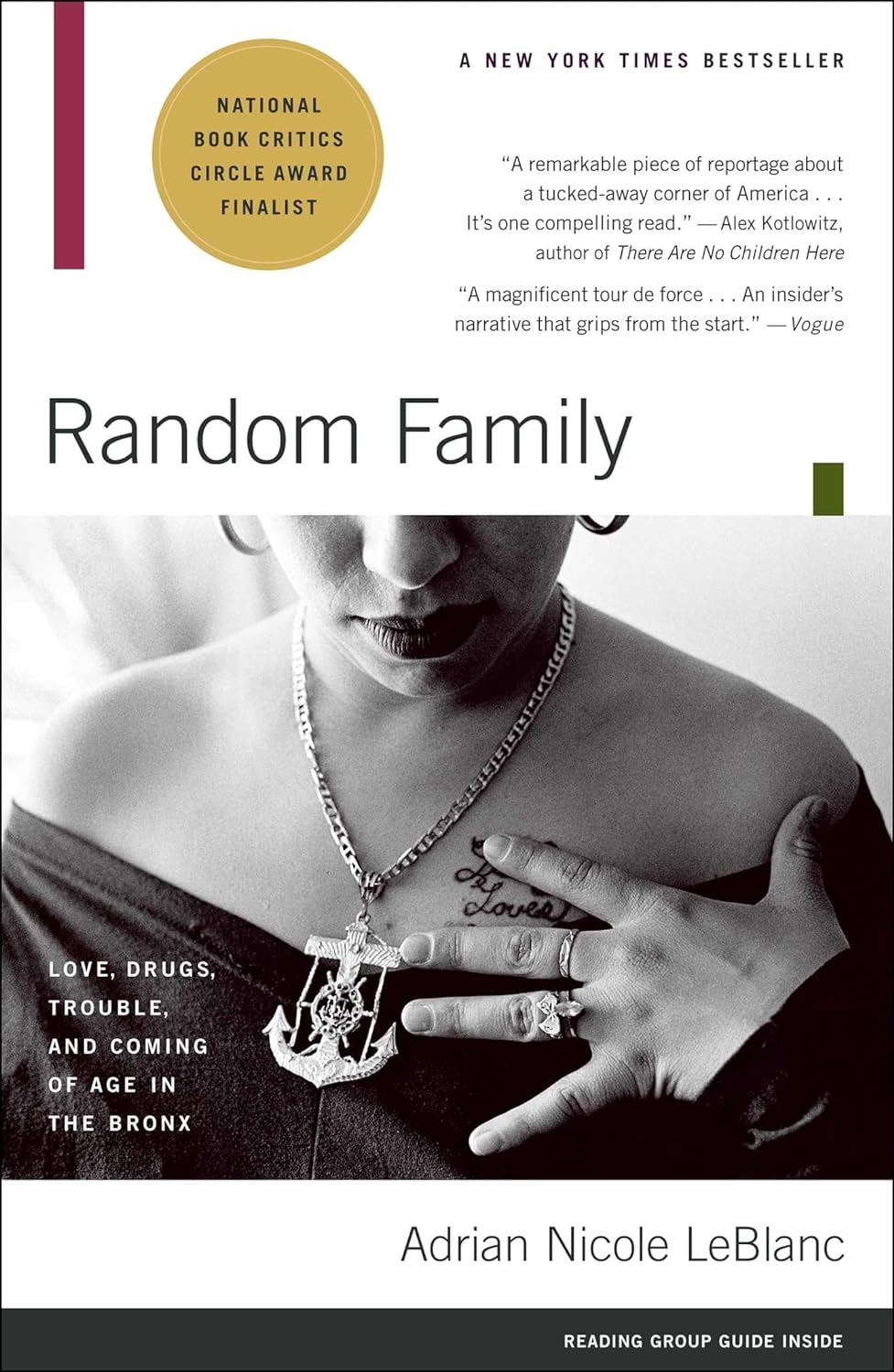
6. Random Family: Love, Drugs, Trouble and Coming of Age in the Bronx
Adrian Nicole LeBlanc
In her classic bestseller, journalist Adrian Nicole LeBlanc immerses readers in the world of one family with roots in the Bronx, New York. In 1989, LeBlanc approached Jessica, a young mother whose encounter with the carceral state is about to forever change the direction of her life. This meeting redirected LeBlanc’s reporting, taking her past the perennial stories of crime and violence into the community of women and children who bear the brunt of the insidious violence of poverty. Her book bears witness to the teetering highs and devastating lows in the daily lives of Jessica, her family, and her expanding circle of friends. Set at the height of the War on Drugs, Random Family is a love story—an ode to the families that form us and the families we create for ourselves. Charting the tumultuous struggle of hope against deprivation over three generations, LeBlanc slips behind the statistics and comes back with a riveting, haunting, and distinctly American true story.
5. Heavy: An American Memoir
Kiese Laymon
In this powerful, provocative, and universally lauded memoir, genre-bending essayist and novelist Kiese Laymon provocatively meditates on his trauma growing up as a black man, and in turn crafts an essential polemic against American moral rot. In Heavy, Laymon writes eloquently and honestly about growing up a hard-headed black son to a complicated and brilliant black mother in Jackson, Mississippi. From his early experiences of sexual violence, to his suspension from college, to his trek to New York as a young college professor, Laymon charts his complex relationship with his mother, grandmother, anorexia, obesity, sex, writing, and ultimately gambling. By attempting to name secrets and lies he and his mother spent a lifetime avoiding, Laymon asks himself, his mother, his nation, and us to confront the terrifying possibility that few in this nation actually know how to responsibly love, and even fewer want to live under the weight of actually becoming free. A personal narrative that illuminates national failures, Heavy is defiant yet vulnerable, an insightful, often comical exploration of weight, identity, art, friendship, and family that begins with a confusing childhood—and continues through twenty-five years of haunting implosions and long reverberations.

4. Evicted: Poverty and Profit in an American City
Matthew Desmond
In Evicted, Princeton sociologist and MacArthur “Genius” Matthew Desmond follows eight families in Milwaukee as they each struggle to keep a roof over their heads. Hailed as “wrenching and revelatory” (The Nation), “vivid and unsettling” (New York Review of Books), Evicted transforms our understanding of poverty and economic exploitation while providing fresh ideas for solving one of twenty-first-century America’s most devastating problems. Its unforgettable scenes of hope and loss remind us of the centrality of home, without which nothing else is possible.
3. Between the World and Me
Ta-Nehisi Coates
In a profound work that pivots from the biggest questions about American history and ideals to the most intimate concerns of a father for his son, Ta-Nehisi Coates offers a powerful new framework for understanding our nation’s history and current crisis. Americans have built an empire on the idea of “race,” a falsehood that damages us all but falls most heavily on the bodies of black women and men—bodies exploited through slavery and segregation, and, today, threatened, locked up, and murdered out of all proportion. What is it like to inhabit a black body and find a way to live within it? And how can we all honestly reckon with this fraught history and free ourselves from its burden? Between the World and Me is Ta-Nehisi Coates’s attempt to answer these questions in a letter to his adolescent son. Beautifully woven from personal narrative, reimagined history, and fresh, emotionally charged reportage, Between the World and Me clearly illuminates the past, bracingly confronts our present, and offers a transcendent vision for a way forward.

2. The Year of Magical Thinking
Joan Didion
Several days before Christmas 2003, John Gregory Dunne and Joan Didion saw their only daughter, Quintana, fall ill with what seemed at first flu, then pneumonia, then complete septic shock. She was put into an induced coma and placed on life support. Days later—the night before New Year’s Eve—the Dunnes were just sitting down to dinner after visiting the hospital when John Gregory Dunne suffered a massive and fatal coronary. In a second, this close, symbiotic partnership of forty years was over. Four weeks later, their daughter pulled through. Two months after that, arriving at LAX, she collapsed and underwent six hours of brain surgery at UCLA Medical Center to relieve a massive hematoma. This powerful book is Didion’ s attempt to make sense of the “weeks and then months that cut loose any fixed idea I ever had about death, about illness … about marriage and children and memory … about the shallowness of sanity, about life itself.
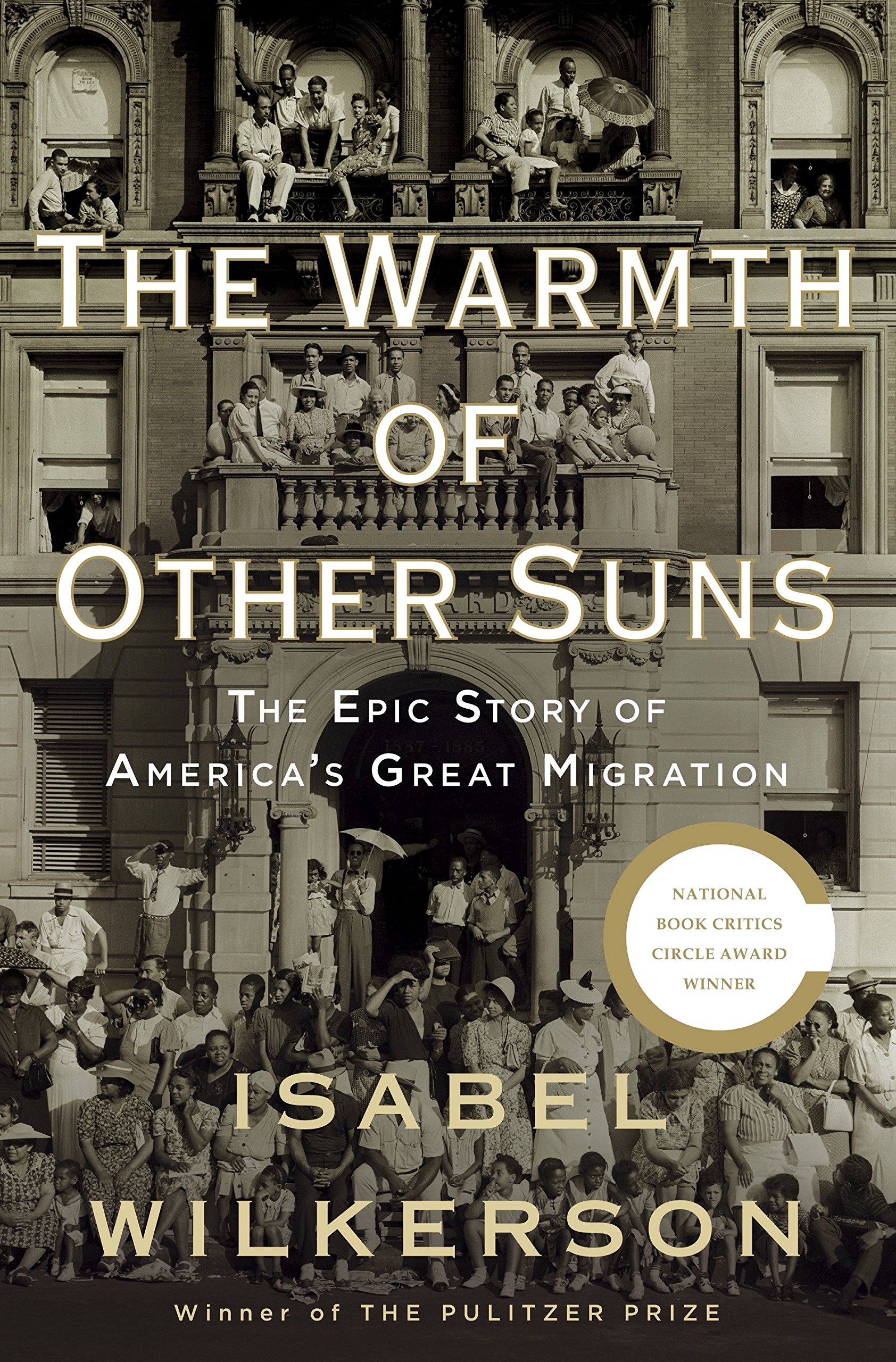
1. The Warmth of Other Suns: The Epic Story of America’s Great Migration
Isabel Wilkerson
In this beautifully written masterwork, Pulitzer Prize–winning author Isabel Wilkerson presents a definitive and dramatic account of one of the great untold stories of American history: the Great Migration of six million Black citizens who fled the South for the North and West in search of a better life, from World War I to 1970. Wilkerson brilliantly captures their first treacherous cross-country journeys by car and train and their new lives in colonies in the New World. The Warmth of Other Suns is a bold, remarkable, and riveting work, a superb account of an “unrecognized immigration” within our own land.
